Studying Dark Patterns Through Gene Editing Interface Design

An academic project exploring how manipulative design extracts user data, with real test results.
May 11, 2025 · Henry Osterweis
1. The Brief
Design a landing page for a fictional gene editing company that maximizes data extraction while hiding consent. Team of 3 for NYU's Dark Patterns class. The fictional client wanted users to unknowingly share genetic data for a government contract. Our goal: study exactly how manipulation works at the interface level.
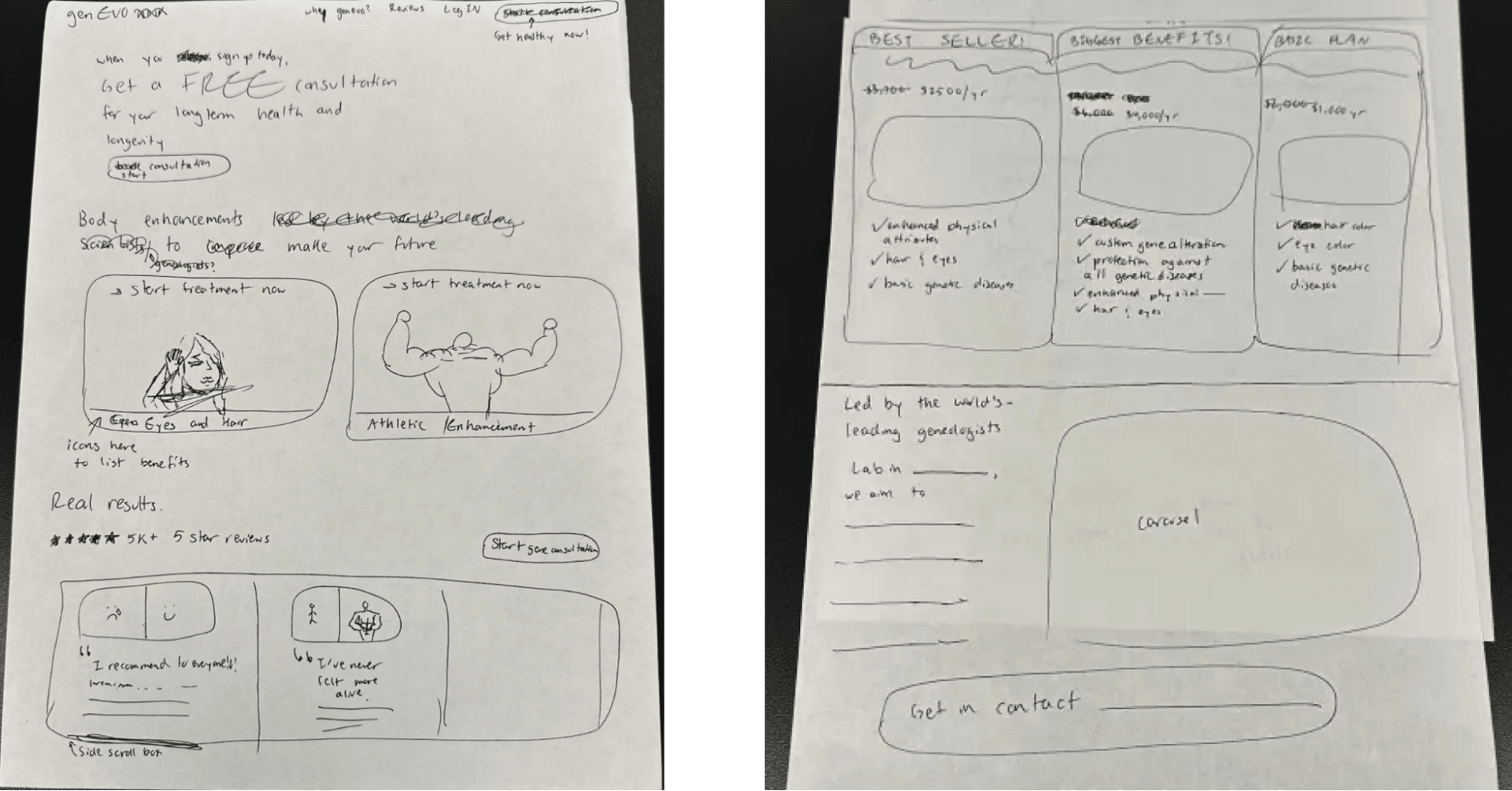
Three target audiences: young parents, elderly seeking longevity, people with hereditary diseases
2. Techniques Implemented
Quiz-based extraction, FOMO triggers, progress bars, buried consent.
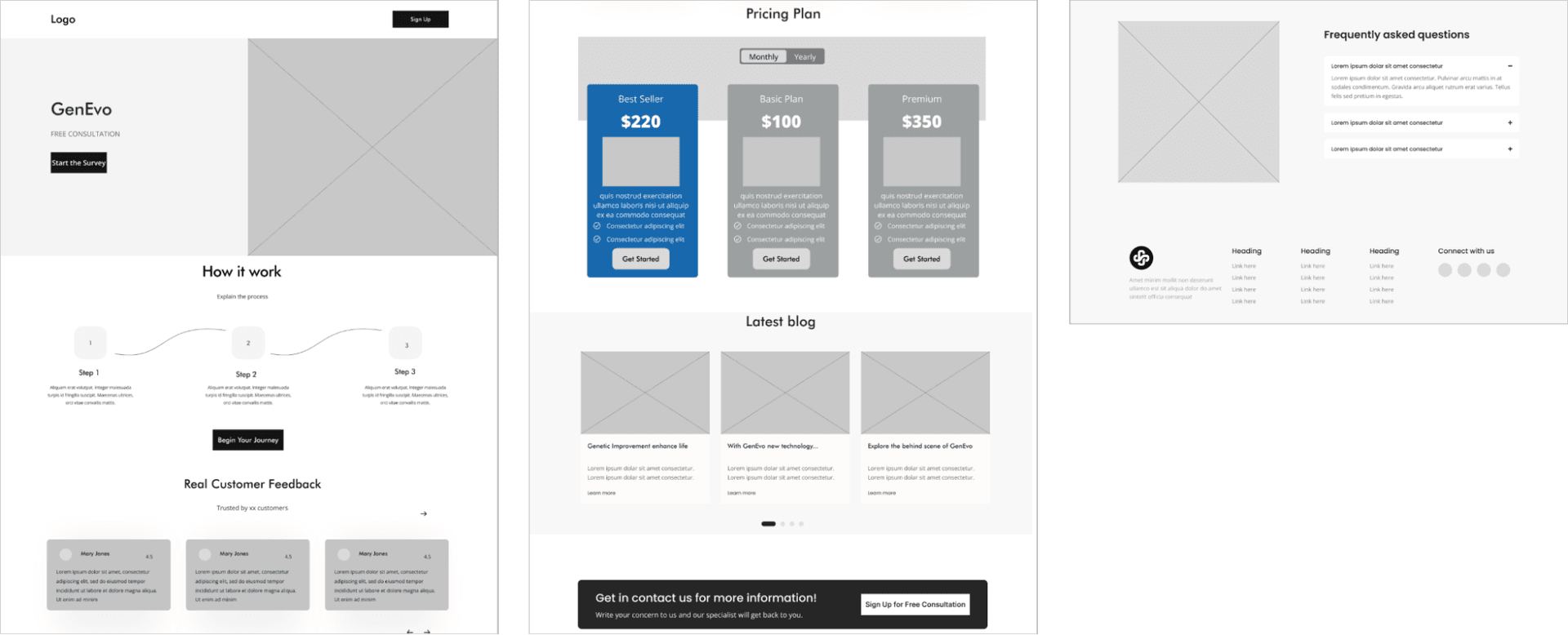
Multiple entry points funneling users toward the quiz
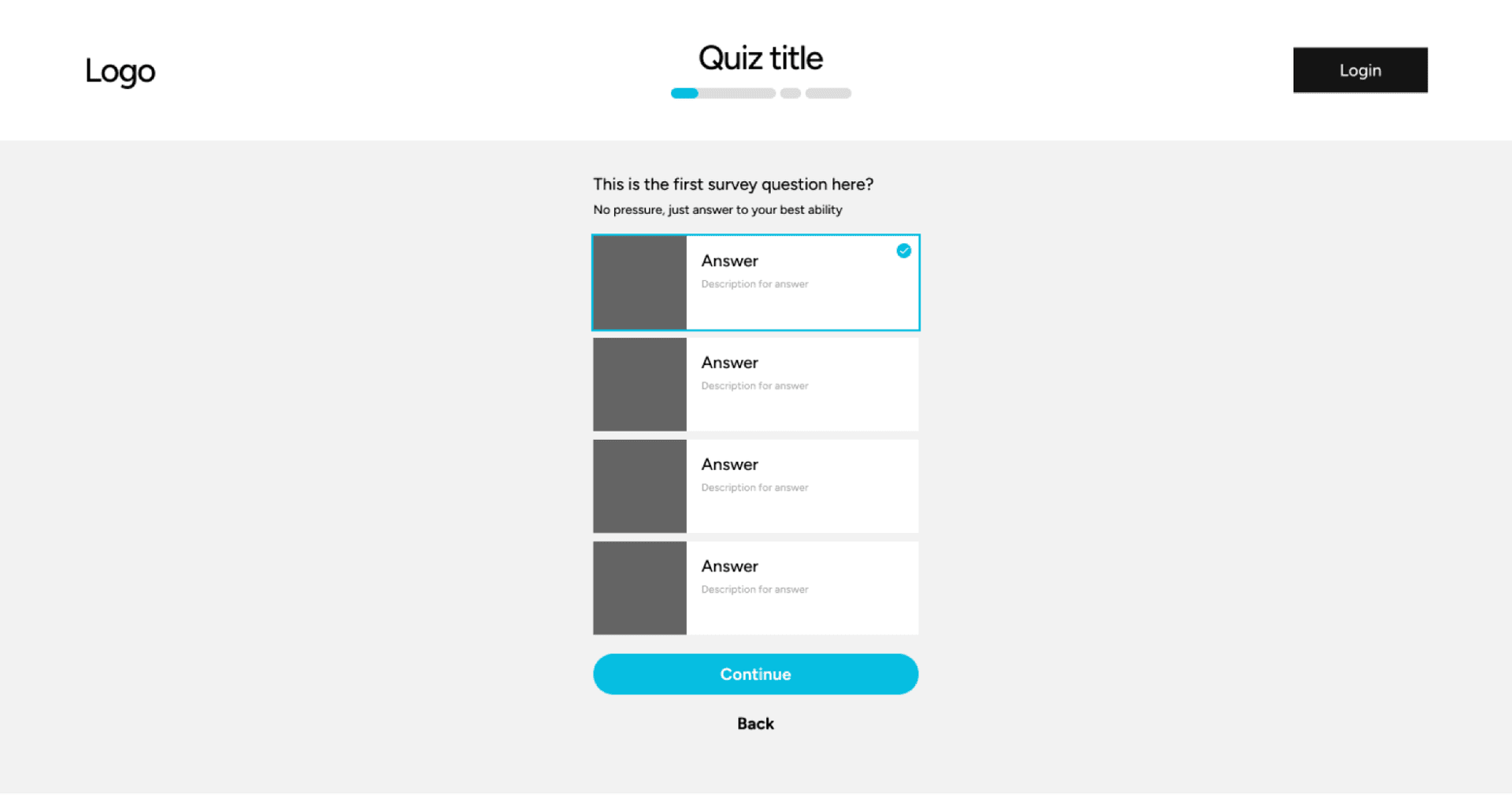
Quiz questions disguised data collection as consultation
3. Iteration
Client feedback pushed us further into manipulative territory. "Play up the fear aspect." "Leverage guilt: why leave your children's future to chance?" We added newsletter popups, progress bars, and limited-time offers.
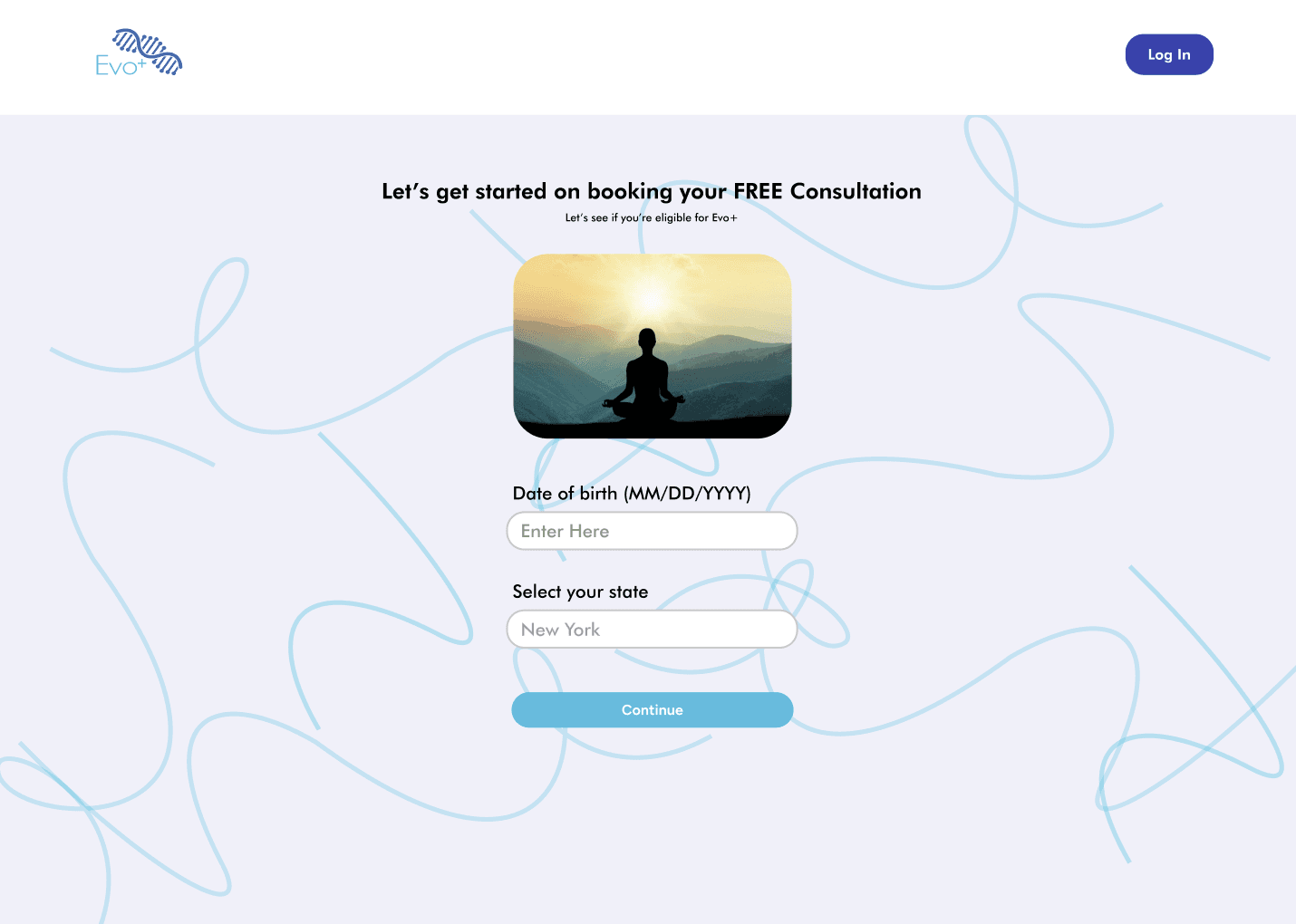
First testable prototype with landing page and quiz flow
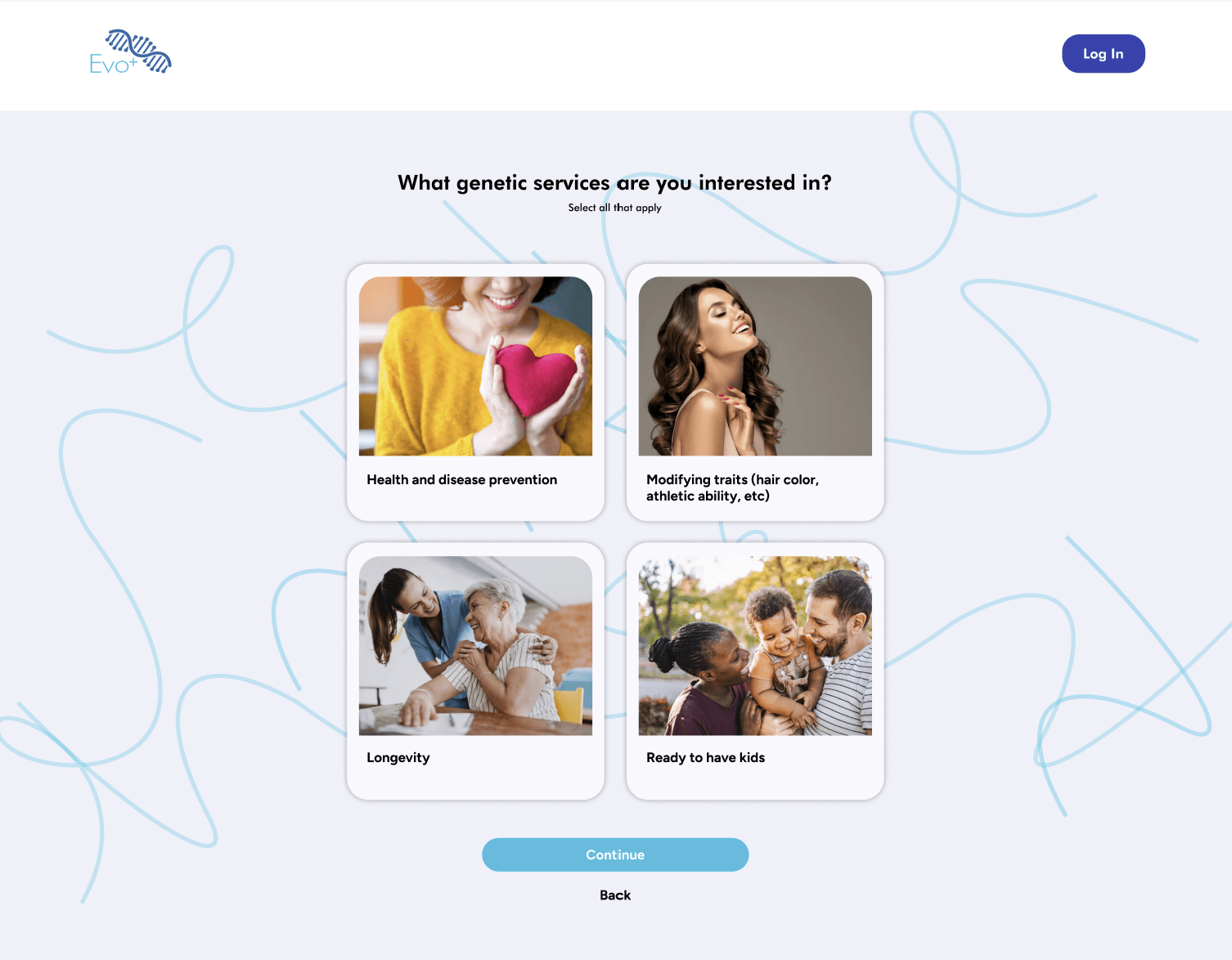
Added newsletter popup and progress bar to increase commitment
4. Testing
8 participants. Success threshold: 1+ lead, 50%+ completion. A "lead" meant the user entered real credentials, not placeholder text. We mapped abandonment on a 0-100% scale through the funnel.
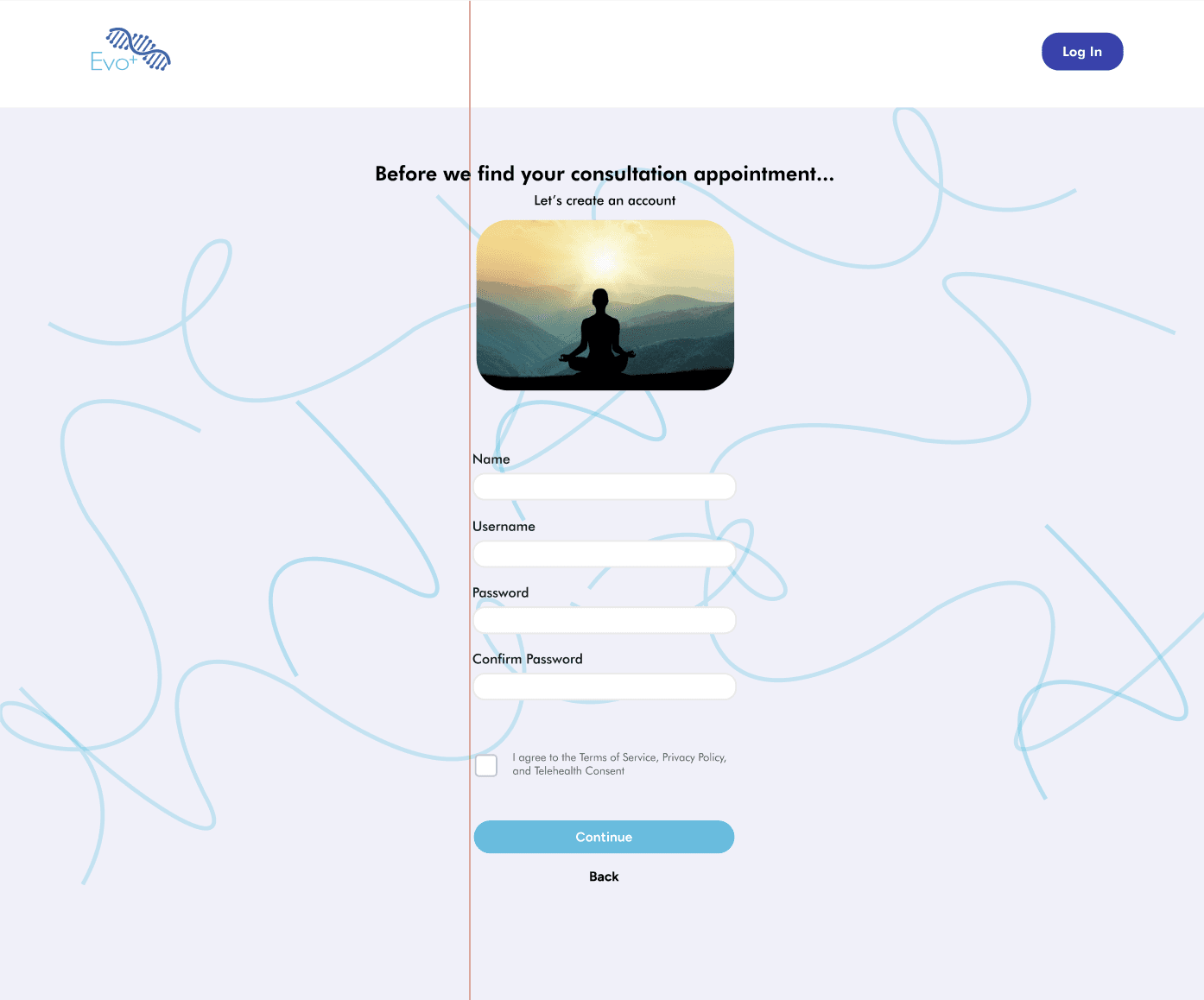
One user reached for their laptop to check for the confirmation email
5. Results
75% completion rate. 62.5% entered real credentials. 5 of 8 users gave real information to a Figma prototype for a fake gene editing service. The quiz format worked: users focused on "results" instead of questioning why we needed their medical history.
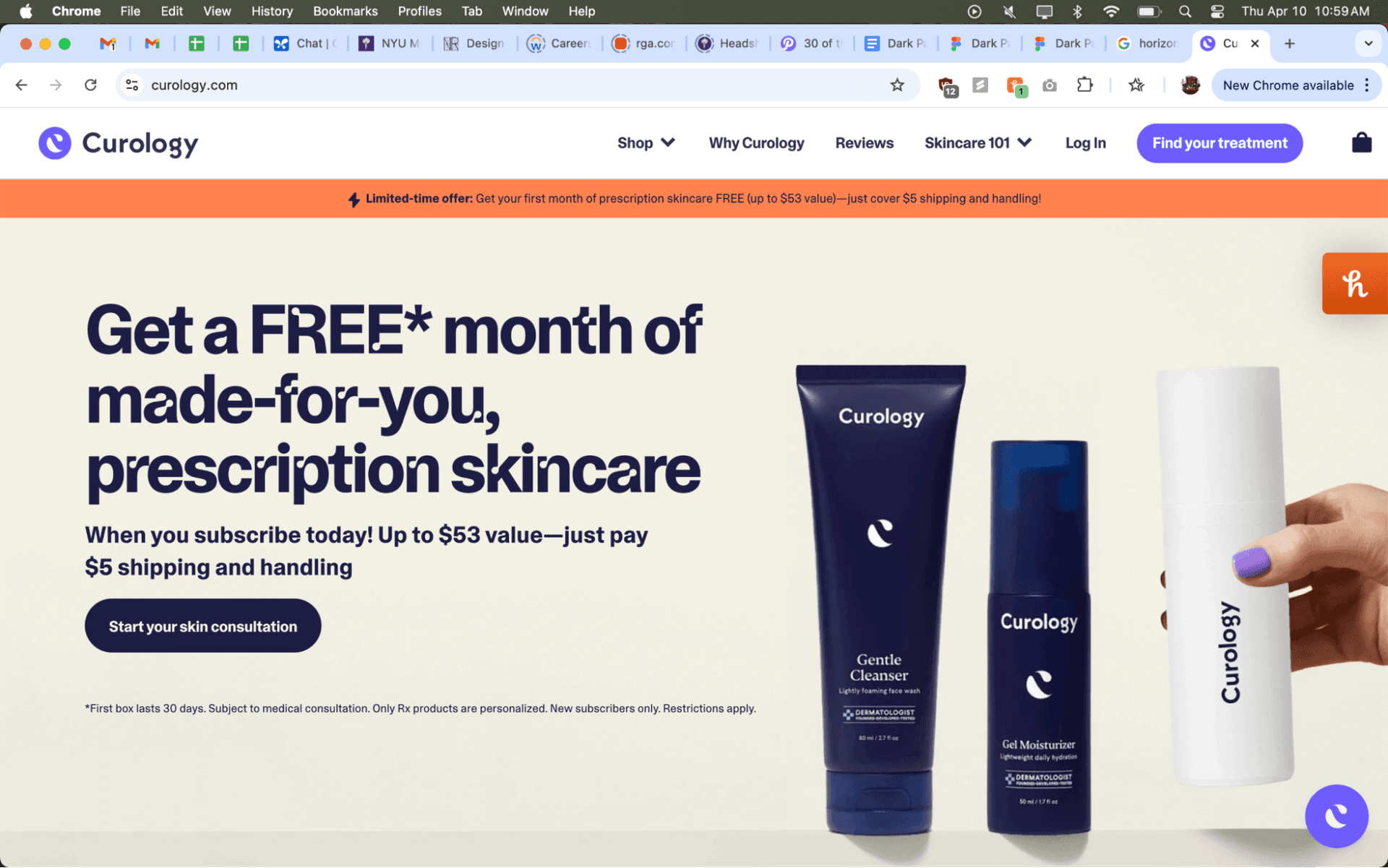
Curology, Casper, and Geneos inspired our approach to building false trust
6. Reflection
Understanding manipulation creates responsibility not to use it. The same techniques that drive engagement in legitimate products become manipulation when divorced from user benefit. Designers who understand these patterns have an obligation to choose differently.
Want the complete breakdown?
Read the full case study →